



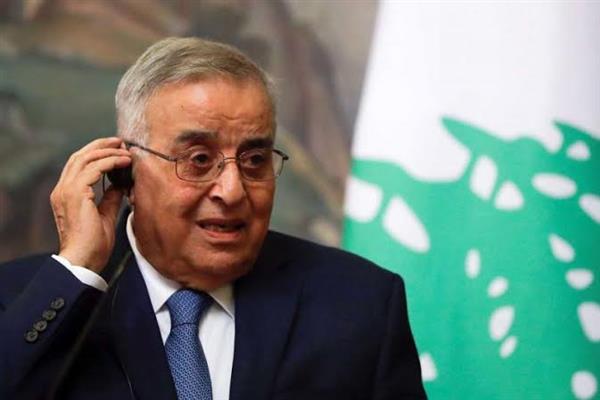
Lebanese Foreign Minister, Abdallah Bou Habib, said on Friday they are more optimism than ever on reaching a deal with Israel to resolve the maritime border via US mediation.
"There has never been optimism to the extent that there is today," he said according to a tweet from the Ministry’s account.
US diplomat, Amos Hochstein is in talks with officials in Lebenon’s capital Beirut, he also met Israeli negotiators in June, as per Israeli Energy Ministry said at the time.
In the meantime, tensions escalated between Hezbollah and Israel.
Last month, Hezbollah sent four drones to the area around the gas field which were shot down by the Israeli army.
According to Hezbollah leader Hassan Nasrallah, the drones were "only the beginning."
"The movement will "go to war" if gas is extracted by the occupation state before the issue is resolved," he had said in an interview.
Earlier, Hezbollah said "no one" would be allowed to operate in maritime oil and gas fields if Lebanon was not able to do so in areas.
Lebanese Foreign Minister Abdallah Bou Habib criticised Hezbollah for launching three unarmed reconnaissance drones toward the Karish natural gas field.
Moreover, Lebanon’s Prime Minister had criticised the move.
He called drone attack an unofficial dealings and unacceptable.
On the other side, Israeli Defence Minister, Benny Gantz, said that Hezbollah was "preventing the State of Lebanon from reaching an agreement regarding maritime borders."
In February, Deputy Chairman of the Executive Council of Hezbollah Sheikh Ali Damoush called for Lebanon not to accept the agreement to demarcate maritime borders that do not guarantee full Lebanese sovereignty.
"We reject all forms of normalisation of ties with the enemy. It is not acceptable that the Lebanese accept any proposal, under American pressure, for the demarcation of maritime borders that do not respect Lebanese fuel and gas rights," he said.
Under the ageis of the United Nations in 2020, Lebanon formed framework agreement on the demarcation of maritime borders mediated by the US.
The political stability of Lebanon has been in mess since the civil war. Over the years, the repeated Governments brought health and economic crises.