



New Delhi, Aug 31: India on Monday rejected the latest award of the Permanent Court of Arbitration (PCA) on the Indus Waters Treaty, saying the tribunal was “illegally constituted” and had “no jurisdiction whatsoever” to pronounce on India’s sovereign decisions.
The External Affairs Ministry said India’s decision to keep the 1960 Indus Waters Treaty in abeyance remains in force and that the ruling of the Court of Arbitration would have no effect on its actions.
“This so-called Court was constituted by the World Bank in patent breach of the terms of the Treaty and India categorically rejects its so-called award,” the ministry said.

“India’s decision to hold the Indus Waters Treaty in abeyance remains in force,” it added.
The rejection came after the Court of Arbitration said the treaty remained fully in force and that none of the grounds cited by India could justify its suspension or termination.
In its ruling, the court said India must continue to observe its obligations under the treaty, including provisions governing the design and operation of its hydroelectric projects on the western rivers.
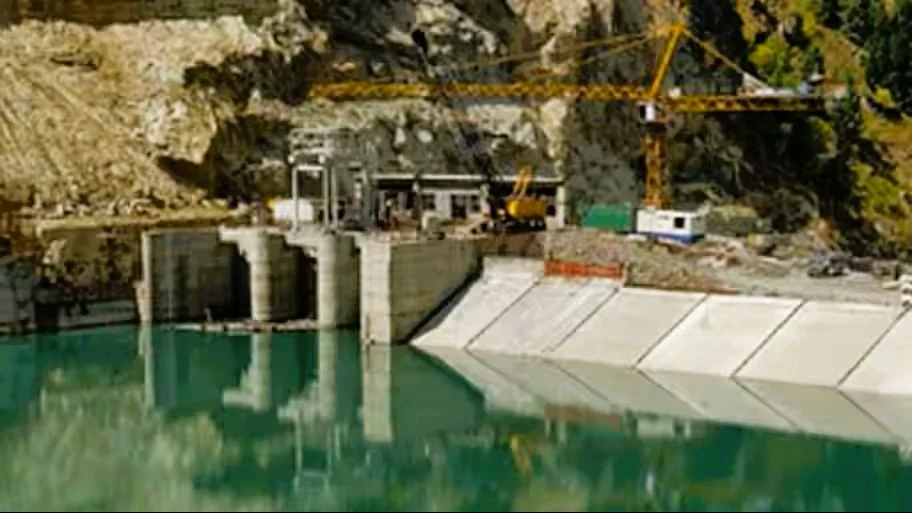
The court also ordered temporary restrictions on construction activities at the Ratle Hydroelectric Project in Jammu and Kashmir, which is located on the Chenab River.
It directed India not to concrete the Ratle dam wall and power intake structure above specified levels until 90 days after the Neutral Expert issues a final decision on the project. The Neutral Expert’s decision is currently expected around July 2027.
The court also imposed a reporting requirement concerning the Ratle construction schedule but rejected two other measures sought by Pakistan, including a demand that India bear the risk of having to modify or dismantle parts of the project.
India rejects tribunal’s authority
The MEA said India had never recognised the existence in law of the Court of Arbitration and had refused to participate in its proceedings.
“The Court of Arbitration has no jurisdiction whatsoever to pronounce on India’s sovereign decisions,” the ministry said, adding that its “pronouncements, now or in the future, will have no effect on India’s actions” concerning Indian projects.
The dispute stems from India’s decision in April 2025 to place the Indus Waters Treaty in abeyance following the Pahalgam attack.
Pakistan subsequently approached the arbitration mechanism over the status of the treaty and disputes concerning Indian hydroelectric projects.
The 1960 treaty, brokered by the World Bank, allocates the Indus, Jhelum and Chenab—the western rivers—to Pakistan, while the Ravi, Beas and Sutlej are allocated to India. The agreement also permits each country certain uses of rivers allocated to the other, including specified hydropower activities.
Court rejects India’s terrorism argument
The Court of Arbitration said it had considered India’s allegation that Pakistan’s alleged support for cross-border terrorism had affected India’s ability to exercise its rights under the treaty.
However, it said that even assuming the allegation to be true, it would not amount to a material breach of the treaty by Pakistan.
The court noted that the treaty does not address terrorism or the use of force and instead governs the rights and obligations of India and Pakistan concerning the use of the Indus river system.
The tribunal also noted that India had continued to construct and develop hydroelectric projects on the western rivers.
Two dispute mechanisms continue
The latest ruling is separate from the proceedings before the Neutral Expert, which are examining technical objections raised by Pakistan over the Ratle and Kishenganga projects.
Pakistan had initially sought the appointment of a Neutral Expert in 2015 but later requested a Court of Arbitration. In 2016, the World Bank appointed both mechanisms.
India stayed away from the Court of Arbitration proceedings but had participated in meetings convened by the Neutral Expert until it placed the treaty in abeyance in 2025.
The Neutral Expert’s proceedings concerning Ratle and Kishenganga remain ongoing, with the final decision currently expected around July 2027.
The Court of Arbitration said that although India did not participate in its proceedings, it considered India’s position to the extent it could be established from statements and conduct outside the proceedings.
For now, the two sides remain sharply divided: the Court of Arbitration says the treaty remains legally in force, while India maintains that the treaty is in abeyance and rejects the tribunal’s authority altogether.