



Climate change is likely going to make the world sicker, hungrier, poorer and way more dangerous by 2040 with an “unavoidable” increase in risks, a new United Nations science report has said,
The report warned that there would remain only “a brief and rapidly closing window of opportunity to secure a liveable and sustainable future for all.
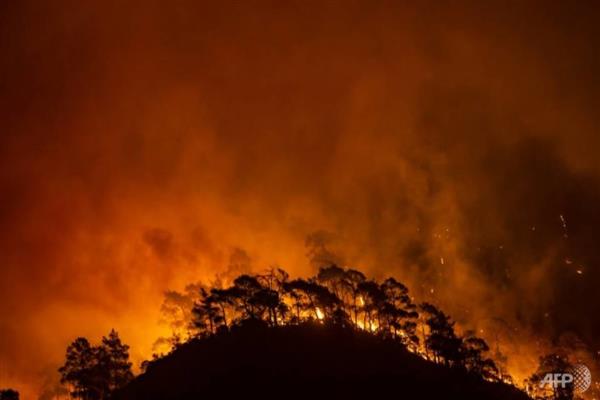
The UN Intergovernmental Panel on Climate Change’s (IPCC) study on Monday said if human-caused global warming was not limited to just another couple tenths of a degree, an Earth now struck regularly by deadly heat, fires, floods and drought in future decades will degrade in 127 ways – with some being “potentially irreversible”.
“Children today who may still be alive in the year 2100 are going to experience four times more climate extremes than they do now even with only a few more tenths of a degree of warming over today’s heat. But if temperatures increase nearly two more degrees Celsius from now (3.4 degrees Fahrenheit), they would feel five times the floods, storms, drought and heatwaves,” according to the collection of scientists at the IPCC.
Already, at least 3.3 billion people’s daily lives “are highly vulnerable to climate change” and 15 times more likely to die from extreme weather, the report said.
Large numbers of people are being displaced by worsening weather extremes and the world’s poor are being hit by far the hardest, it said.
More people are going to die each year from heatwaves, diseases, extreme weather, air pollution and starvation because of global warming, the report added.
How many people die depends on how much heat-trapping gas from the burning of coal, oil and natural gas gets spewed into the air and how the world adapts to an ever-hotter world, scientists said.
By 2050, a billion people will face coastal flooding risk from rising seas, the report said.
More people will be forced out of their homes from weather disasters, especially flooding, sea level rise and tropical cyclones.