



NEW DELHI, Aug 20: The Centre has empowered District Collectors in several border states and Union Territories, including Jammu and Kashmir and Ladakh, to receive, scrutinise and dispose of citizenship applications filed under Section 6B of the Citizenship Act, 1955, under the Citizenship (Amendment) Act framework.
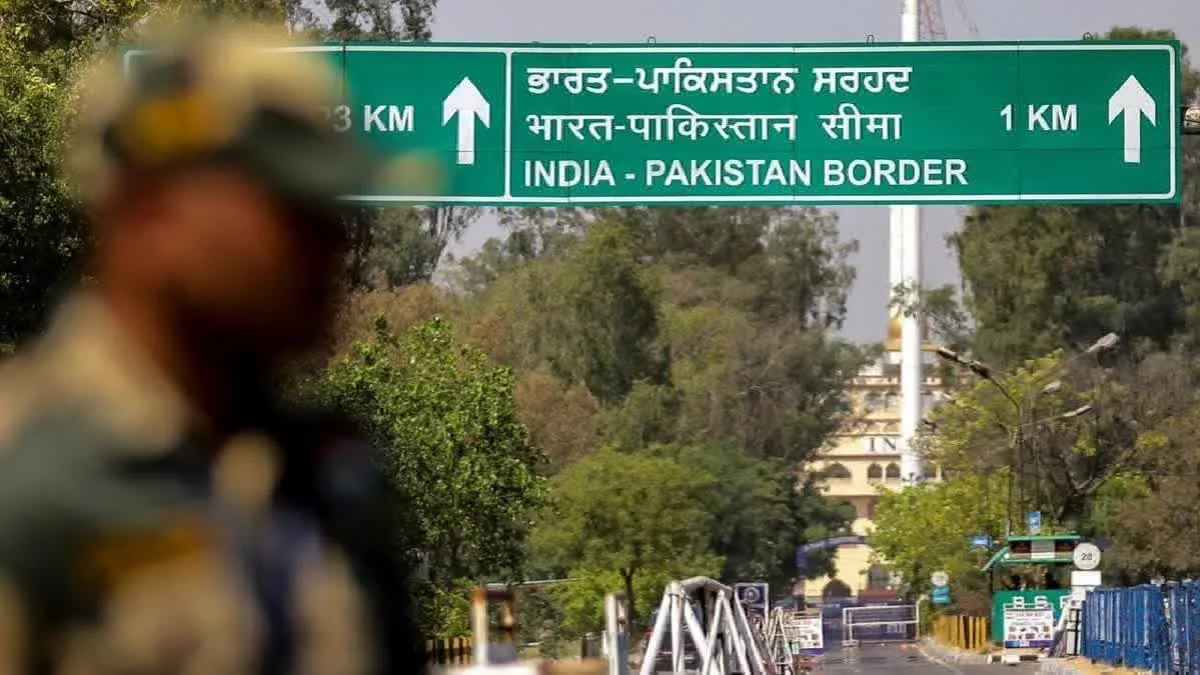
The Ministry of Home Affairs (MHA) has notified the Citizenship (Third Amendment) Rules, 2026, inserting a new sub-rule (6) in Rule 11A of the Citizenship Rules, 2009. The amended mechanism covers applicants ordinarily residing in Gujarat, Rajasthan, Punjab, West Bengal, Assam and Tripura, except the tribal areas of Assam and Tripura, as well as the Union Territories of Jammu and Kashmir and Ladakh.
Under the revised rules, applicants seeking registration or naturalisation under Section 6B will submit their applications electronically to the Collector having jurisdiction over their place of residence.
More Read

The amendment also provides for the transfer of applications already pending before the existing CAA committees.
“All applications under Section 6B of the Citizenship Act, 1955, pending with the Empowered Committee and District-Level Committee” in the specified states and Union Territories “shall be transferred to the Collector concerned,” the amended rules state.
The move effectively shifts the processing and disposal of these applications from the existing Empowered Committees and District-Level Committees to the jurisdictional District Collectors in the specified areas.
Pending CAA applications to be transferred
The latest amendment follows a separate MHA order issued on August 19 directing that pending Section 6B applications before the Empowered and District-Level Committees in the specified jurisdictions be transferred to the concerned Collectors.
The new mechanism applies to applications for registration or naturalisation under Section 6B, which provides a special route to citizenship for eligible members of Hindu, Sikh, Buddhist, Jain, Parsi and Christian communities from Afghanistan, Bangladesh and Pakistan, subject to the conditions prescribed under the Citizenship Act.
Applicants covered by the amended rules will now be required to submit their applications electronically to the Collector exercising jurisdiction over their place of ordinary residence.
Citizenship forms amended
The Centre has also made several consequential changes to the Citizenship Rules and prescribed forms to accommodate the Collectors’ new role.
Rules 14 and 15 have been amended to add references to “the Collector, as the case may be” alongside the Empowered Committee. Rule 38 has similarly been amended to include the Collector alongside the Designated Officer.
The government has also amended Forms IIA, IIIA, IVA, VA, VIA, VIIA and VIIIA in Schedule I. For applicants ordinarily residing in the specified states and Union Territories, completed forms will now be submitted to the jurisdictional Collector, who will process and dispose of them under Rule 11A.
Schedule IC has also been amended to add the Collector alongside the Senior Superintendent of Post or Superintendent of Post in paragraph (iiiA).
The notification has been issued by the MHA under the powers conferred by Section 18 of the Citizenship Act, 1955. The principal Citizenship Rules were notified in February 2009 and were last amended on May 18, 2026, before the latest changes.
What is Section 6B?
Section 6B was inserted into the Citizenship Act through the Citizenship (Amendment) Act, 2019, commonly known as the CAA. It provides a statutory route to Indian citizenship for eligible members of Hindu, Sikh, Buddhist, Jain, Parsi and Christian communities from Afghanistan, Bangladesh and Pakistan who entered India on or before December 31, 2014, subject to the conditions prescribed under the law.
Parliament passed the CAA in December 2019, with the Lok Sabha approving it on December 10 and the Rajya Sabha on December 11. President Ram Nath Kovind gave his assent on December 12, 2019.
The legislation triggered widespread protests across several parts of the country, including the women-led sit-in at Delhi’s Shaheen Bagh. Large-scale demonstrations continued for several months before COVID-19 restrictions brought the protests to an end in March 2020.
The Centre notified the Citizenship (Amendment) Rules, 2024, in March 2024, providing the framework for processing applications under Section 6B through a digital application system, Empowered Committees and District-Level Committees.
The 2026 amendment now changes that mechanism in the specified border states and Union Territories by placing the processing and disposal of Section 6B applications with the jurisdictional District Collector.