Names of brands have been withheld to avoid promotional bias
A child asks his grandmother to take him to a shrine. Snow falls softly over old downtown alleys. A jajeer rests beside two elderly men in pherans. A kangri glows in the cold.
These are not memories. They are advertisements.
Across platforms, local brands—particularly in the namkeen and shawl industry—are increasingly using Kashmiri cultural imagery to promote their products. Their feeds are filled with visuals of traditional homes, shrinking neighbourhoods, and fading practices. The aim is not just visibility, but emotional connection.
Kashmir, in this space, is no longer selling as a geography. It is selling as a feeling.
Memory as Marketing
A shawl brand often builds its campaigns around familiar conversations—a father speaking to his son, or two elders sharing a jajeer in the green fields of Gulmarg. In other instances, the imagery draws from collective memory: a Kashmiri news bulletin announcing the sighting of the Eid moon, followed by greetings of Eid Mubarak.
Other visuals include a tila artisan weaving gold and silk threads, a barber’s corner with an image of Khanqah pinned to the wall, or a shaharkhan (human alarm) waking people for sehri during Ramadan. Some recreate architectural and social settings that are fast disappearing. In one frame, a boy is seen reading the Quran atop Srinagar’s historic Jamia Masjid.
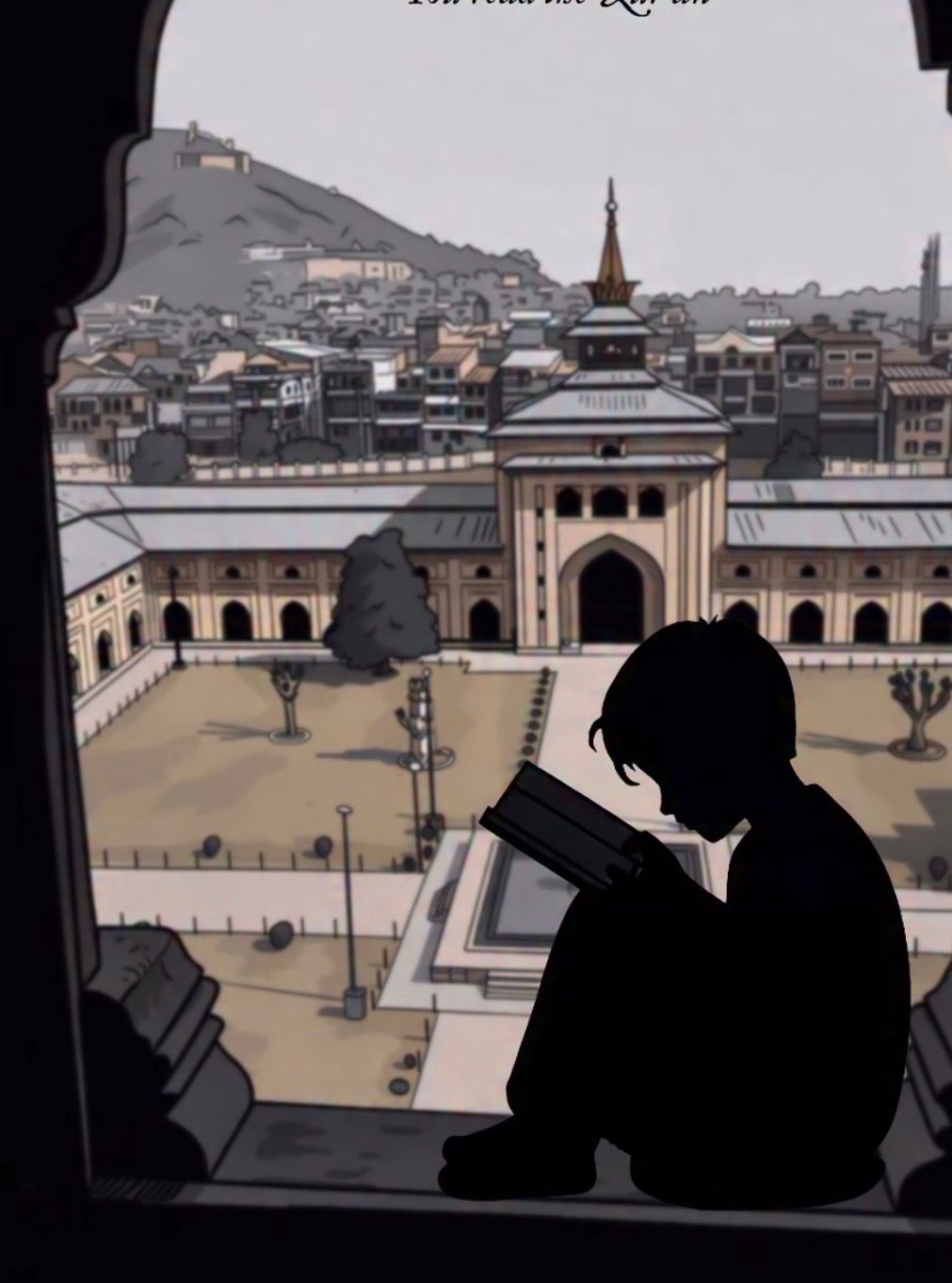
Together, these fragments form a carefully curated emotional landscape—one that audiences instantly recognise.
Why Audiences Connect
The Himalayan Post spoke to a young woman from Srinagar who frequently shares such reels. She said her engagement is not driven by brand loyalty, but by emotional recall.
“It’s nostalgia. When I see who we are at our core, my heart naturally pulls towards it. We don’t have many spaces in the real world that celebrate authentic Kashmiri aesthetics anymore. Kashmir has disappeared in reality, so even if it exists online, I share it. It reminds me of the days when my grandfather would watch TV news for the Eid moon sighting—it connects directly to memory.”
In another reel, a namkeen brand shows two boys joking in a salon about a haircut gone wrong—an everyday moment many young Kashmiris relate to. A college student said such scenes reflect common conversations in local barber shops.
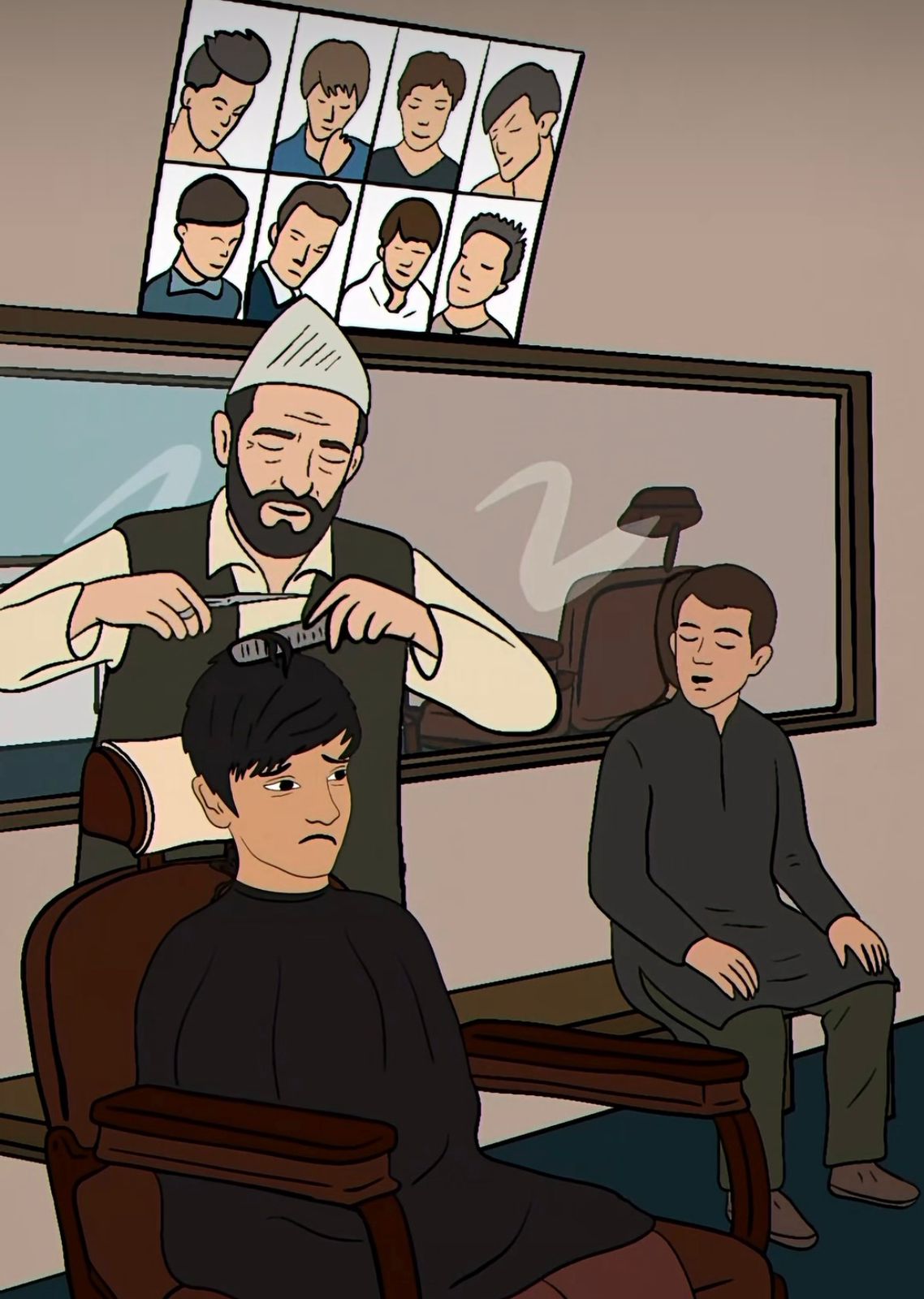 Everyday moments, like a haircut gone wrong, are being turned into emotionally resonant brand narratives.
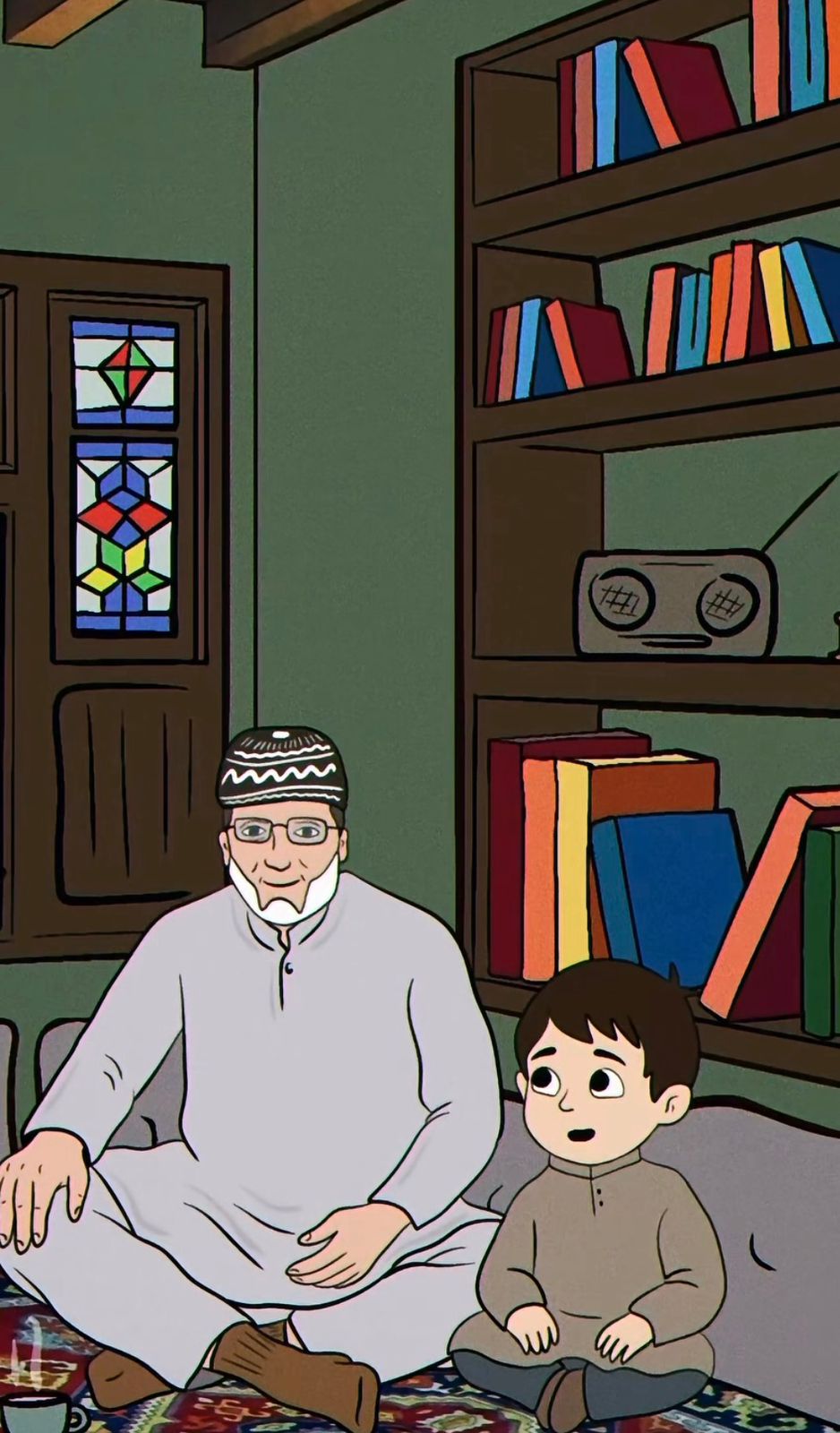
There are also childhood references that resonate deeply. In one instance, a child whispers into his grandfather’s ear—calling him “Tuatha”—and playfully chants “kana mana toooo,” a phrase familiar to many Kashmiri children, meant to create a tingling echo in the ear, followed by laughter.
Dua Bisati, a journalism student at the University of Kashmir, said these visuals go beyond aesthetics.
“It is more than aesthetics—it is us, our lives, our history. Today, children don’t spend as much time with their grandparents because of social media and lifestyle changes. And it’s not just local brands—big companies are also using Kashmir to sell products. If larger brands can use the Kashmir name to grow their market, why shouldn’t Kashmiri brands do the same?”
Inside the Brand’s Narrative
Responding to the criticism, a marketing manager from a local namkeen brand said their storytelling comes from lived experience rather than strategy alone.
“We are simply telling our story,” he said. “This brand has existed since my childhood. The visuals we create come from real memories—like a haircut gone wrong, and parents consoling a child with a packet of our namkeen.”
He added that the brand’s identity is inseparable from the region.
“Our product is available only in Kashmir. So naturally, our storytelling reflects Kashmir—our lives, our everyday moments. It’s not about using culture, it’s about showing where we come from.”
Between Representation and Commercialisation
Not everyone, however, views this trend as cultural preservation.
Hashim Zakir, a youth working with an NGO, said these visuals are appealing because they tap into collective memory—but they ultimately centre the brand, not the culture.
“These brands present themselves so traditionally that people automatically relate and get pulled in. But if you zoom out, everything revolves around the brand, not the culture—as if Kashmir itself is the product.”
He acknowledges the influence such marketing carries.
“Recently, I saw shoes with Kashmiri aari embroidery. I felt drawn to them and even purchased them because they reflected our culture—Kashmir, us.”
Yet he remains critical of the larger impact.
“Overall, it promotes the business, not the culture. It would have helped if these traditions were recreated in real life—through events or gatherings. Right now, they exist mainly for views and reposts.”
The Influencer Effect and Misrepresentation
The use of Kashmiri identity is not limited to brands. Influencers have also adopted similar aesthetics—posing in tila pherans, sitting beside traditional winnowing setups, and recreating scenes reminiscent of older generations.
Recently, a trend labelled “Kashmiri bangles” went viral during Eid. However, as Bisati points out, the trend did not originate in Kashmir.
“It started in Mumbai. Those aren’t Kashmiri bangles—we traditionally wear kear, solid gold or silver ornaments worn mostly by married women. But the label ‘Kashmiri’ made it trend, even in Kashmir. Many young people bought them for Eid.”
The trend spread rapidly online, largely driven by influencer posts. The association with Kashmir gave it both legitimacy and appeal.
Members of the Kashmiri diaspora also raised concerns, posting reels that criticised the misuse of Kashmiri identity for commercial gain.
Memory, Marketplace, and Meaning
As brands claim they are simply telling their own stories, and audiences continue to find reflections of their past in them, Kashmir today occupies a complex space—between memory and marketplace.
What was once lived is now curated. What was once shared within homes now circulates through screens.
And somewhere in between, identity is not just remembered—but repackaged, performed, and sold.