New Delhi, Feb 13 — The proposed Indo-US trade agreement, currently under negotiation, has triggered sharp opposition from farmer groups across the country, including Kashmiri apple growers, Punjabi grain and cotton farmers, and horticulture-dependent farmers in Himachal Pradesh. They fear the deal could open Indian markets to cheaper, heavily subsidised US agricultural imports, putting domestic livelihoods at risk.
What is the Indo-US trade deal?
India and the United States are negotiating a broader trade framework to ease market access, reduce tariffs, and resolve long-running disputes.While officials describe it as a step towards strengthening bilateral economic ties, farmers’ unions argue that agriculture is being treated as a bargaining chip.
The most important concern is the reduction of import duties on US farm products such as maize, soybean, cotton, apples, almonds, and other dry fruits.
“Once import barriers fall, Indian farmers will be forced to compete with products backed by massive US subsidies,” a farmer leader involved in the consultations said.
Why are farmers from Kashmir, Punjab and Himachal worried?
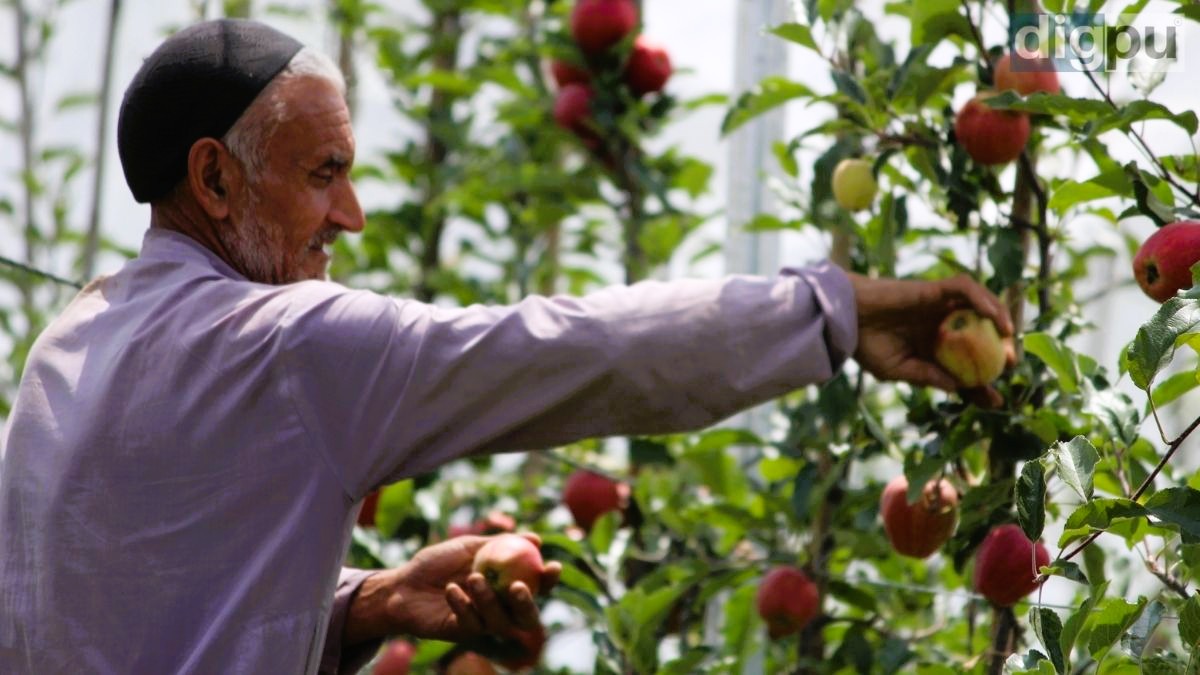
Kashmir: Apple growers fear cheaper US apples and dry fruits could flood markets, hitting already fragile returns in the Valley. “We are struggling with rising input costs and climate stress. Cheap imports will finish us,” a Kashmiri orchardist said.
Punjab: Farmers warn that duty cuts on maize, soybean and cotton could destabilise MSP-backed crops and weaken the rural economy. “This is about survival, not trade theory,” a union leader said.
Himachal Pradesh: Apple farmers say import liberalisation threatens one of the state’s primary sources of income. “Our orchards cannot compete with subsidised foreign produce,” growers’ groups have argued.
Why did the US slash tariffs from 50% to 18%?
According to officials and trade trackers, the US recently reduced tariffs on select Indian goods from about 50% to around 18% as part of ongoing negotiations, signalling a willingness to de-escalate trade tensions and move towards a broader deal. The reduction is being viewed by Washington as a “confidence-building measure”.
Indian negotiators, however, are under pressure to reciprocate—particularly in agriculture—something farmer organisations say would be disastrous.
What negotiations are on the table?
The talks reportedly include reduced Indian tariffs on US agricultural imports; greater access for US dairy and genetically modified crops (a major red line for India so far); market access for American apples, nuts and pulses; and easing regulatory barriers and customs procedures.
Farmer groups say they were not consulted. “No trade deal affecting agriculture should be finalised without taking farmers into confidence,” leaders told lawmakers.
Why did the US first impose tariffs?
The tariff escalation began when the US accused India of “unfair trade practices” and removed it from preferential trade schemes, with US President Donald Trump citing India’s energy ties with Russia, including continued imports of Russian oil, as a point of friction in later political rhetoric.
While tariffs were initially framed around market access and trade imbalance, geopolitical factors—including India’s independent foreign policy—became part of the broader narrative.
Why the political pushback now?
Opposition leaders and farmer bodies argue that agriculture cannot be treated like any other sector. “Trade deals come and go, but food security and farmer livelihoods are permanent,” a Congress leader said.
With farmer organisations signalling nationwide protests, and regional voices—from Kashmir to Himachal—joining the chorus, the Indo-US trade deal is shaping up to be not just an economic negotiation but a politically charged flashpoint.
Farmers fear that what is being presented as a trade opportunity could translate into long-term distress on the ground—unless agriculture is kept out of the concessions basket.