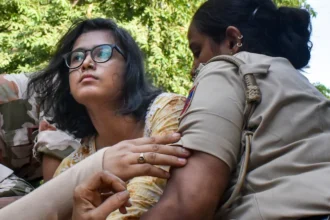




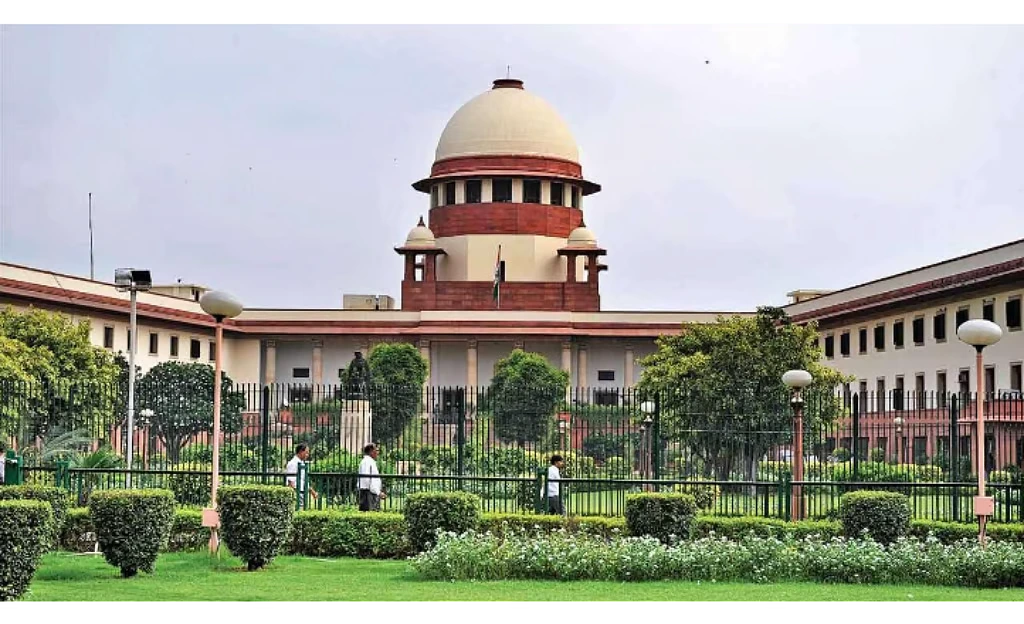
NEW DELHI, NOV 3: The Supreme Court on Tuesday sought responses from the Centre and other authorities on a plea by traders’ organisations alleging business losses due to the ongoing anti-CEC protests at Delhi’s Ramlila Maidan, observing that no protest site can be occupied indefinitely.
A Bench headed by Chief Justice of India Surya Kant, also comprising Justices Joymalya Bagchi and V Mohana, said that while everyone has the right to protest, designated places cannot remain occupied permanently.
“You can’t occupy a site at all times. Where will farmers, journalists, etc., go? Everyone has the right to protest. Designated time must be given for designated period,” the CJI observed.
The Bench was hearing a batch of petitions, including one filed by the Kirana Committee Delhi, which alleged that the protests had adversely affected commercial activity in the surrounding areas during the festive season.
Senior advocate Mukul Rohatgi, appearing for the traders, told the court that nearly 50 lakh people lived in areas surrounding the protest venue and claimed that shops remained shut, with business activity in Connaught Place also affected.
The court, however, said the traders’ organisations must implead the political parties and other groups organising the protests before their allegations could be considered.
“No court can determine issues unless traders’ bodies make all protesting organisations parties,” the Bench observed.
The batch of petitions also deals with allegations of mass detentions, police excesses, closure of Metro stations and internet shutdowns in connection with the protests.
The hearing remained underway.
On October 15, the same Bench had sought responses from the Election Commission and other authorities on a plea filed by Congress leader Rahul Gandhi and 12 other Opposition leaders alleging large-scale voter deletions and irregularities in the Special Intensive Revision (SIR) exercise.