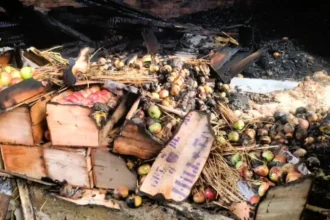




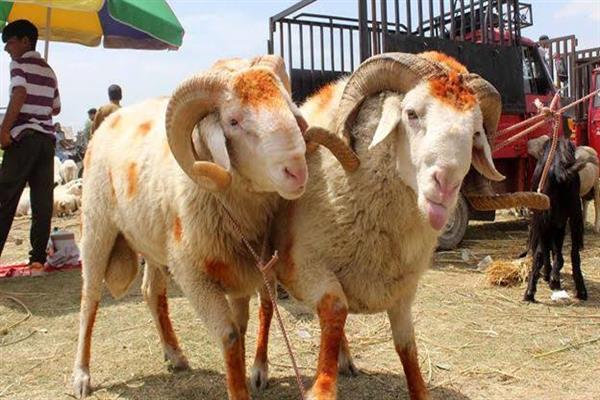
Srinagar: Ahead of Eid-ul-Adha, Kashmir’s top doctors and environmental experts have urged the public to dispose of sacrificial animal waste scientifically, stating that improper disposal of animal skin and waste can lead to environmental and public health concerns.
Dr. Mohammad Salim Khan, Head of the Department of Community Medicine at GMC Srinagar, said that during the summer, the slaughter and post-slaughter processes must be conducted diligently, taking care of animal wastes, including offal.
"The blood and other body fluids discarded are rich sources for infection growth and can cause public health and environmental concerns," he stated.
He added that the indiscriminate disposal of offal in open areas, drains, and water bodies poses a significant risk of disease transmission. Such practices invite animals to devour the waste and can contaminate drinking water sources, both surface and groundwater, leading to waterborne infections and diseases.
"These unpleasant sites attract flies, mosquitoes, and other germs, which can spread various diseases," he said.
Dr. Khan also stressed that local civic bodies, municipalities, and various social and religious organizations should take responsibility for collecting hides for further use or scientific disposal.
"The Muslim community should embrace the spirit of sacrifice while performing the slaughter of sacrificial animals and consider the noble act of Qurbani beneficial to the community and humanity at large," he added.
He further noted that post-slaughter processes should include thorough cleaning and disinfection of the areas where the slaughtering is performed to prevent these areas from becoming vulnerable to animal intrusions and public health risks.
Dr. Suhaib A. Bandh, Assistant Professor of Environmental Science at S P College Srinagar, said that improper disposal of animal skin and waste during Eid-ul-Adha causes environmental and public health concerns, contributing to pollution, the spread of diseases, and unpleasant odors.
"To mitigate these issues, it is essential to establish and enforce strict waste management protocols. Municipal authorities should provide designated disposal sites and increase waste collection services during the festival," he said.
"Public awareness campaigns are crucial to educate the community on the importance of proper disposal," he added.
"Additionally, investing in biodegradable disposal bags and encouraging community participation in cleanup efforts can help maintain hygiene, protect ecosystems, and ensure the well-being of the population," Dr. Suhaib said.
Firdous Ahmad, an Executive Engineer in the Jal Shakti department, urged people to show civic responsibility by not disposing of animal waste along roadsides or in water bodies.
He suggested that waste could be properly disposed of by digging a pit and burying it.
"People can collect all the waste at a single spot in a village or neighborhood, and the government should keep their machinery ready to collect and treat the waste scientifically at district-level treatment plants to minimize the impact on the environment and water bodies," he said.
(KNO)