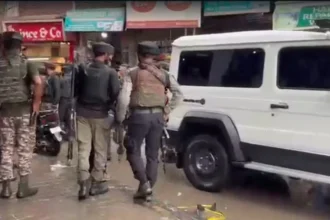




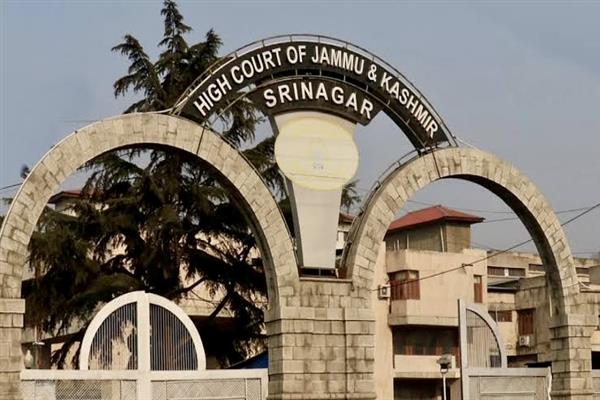
Kupwara/Srinagar, 28 Nov. 24 – The High Court of Jammu, Kashmir, and Ladakh has directed the Indian military to pay 46 years of accumulated rent to a landowner in Tangdhar, Kupwara, north Kashmir.
The court ruled in favor of Abdul Majeed Lone, whose 1.6-acre plot near the Line of Control has been under military occupation since 1978 without rent or compensation.
Justice Wasim Sadiq Nargal issued the judgment on November 20, stating "The right to property transcends being a mere constitutional or statutory provision. It forms an essential part of human rights, alongside shelter, livelihood, and health.”
The court directed the military to settle all outstanding rent within one month. It also instructed the revenue department to conduct a fresh survey of the land to ensure fairness and accountability.
"The state and its agencies cannot dispossess citizens of their property except in accordance with the law," the court said.
In 2014, Lone filed a petition alleging that the military had occupied his land for decades without providing any compensation. Although the military denied the claim, a survey by the revenue department confirmed the land had been under its possession since 1978.
The court sharply criticized the authorities for failing to respect Lone’s rights. "The respondents deprived the petitioner of a fundamental constitutional right without adhering to due legal process," Justice Nargal observed.
The court pointed out that the state’s power of eminent domain, which allows property acquisition for public use, must always be exercised responsibly and accompanied by compensation.
“The state may interfere with property rights for public purposes, but adequate compensation is a non-negotiable prerequisite,” the judgment stated.
Justice Nargal further referenced Article 300A of the Constitution, asserting that although it does not explicitly mention compensation, such an obligation is inherent when the state acquires property.