



Srinagar, August 13: At least 199 people were killed in Jammu and Kashmir in 2025 due to flash floods and intense cloudbursts, while another 30 fatalities have been recorded so far this year amid continuing extreme weather events, according to the Central government.
The figures come as authorities step up disaster preparedness across the Himalayan region, with the Centre planning to deploy multi-sectoral teams comprising scientific and disaster-management experts to study the growing risks posed by extreme weather and suggest mitigation measures.
Jammu and Kashmir was among the worst-affected areas during the 2025 events, with Kishtwar and several parts of the Jammu division suffering severe impacts from cloudbursts, flash floods and related disasters.

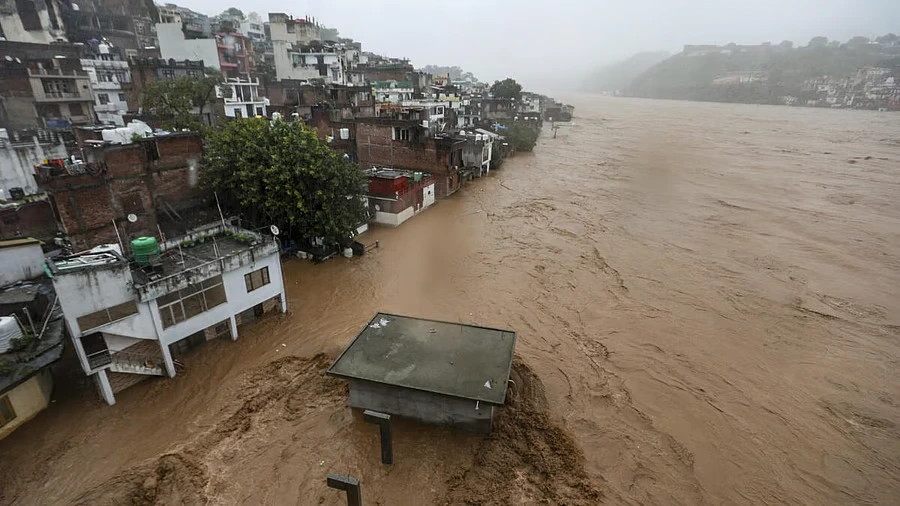
The recurring weather events have also caused extensive damage to infrastructure, with thousands of houses and vital roads and routes affected by landslides, swollen water bodies and flash flooding.
Read more: Kashmir’s Weather Is Losing Its Old Rhythm — But What Is Actually Changing?
For the current year, the government has reported 30 deaths so far linked to extreme weather vagaries in Jammu and Kashmir, underlining the continuing vulnerability of communities and infrastructure in mountainous areas.
Against this backdrop, the Centre is moving to establish multi-sectoral central teams to assess extreme-weather risks across Himalayan states and Union territories. The teams are expected to bring together expertise from scientific institutions and disaster-management agencies to examine the causes, vulnerabilities and mitigation requirements in affected regions.
At the operational level, local administrations and disaster-response agencies, including the National Disaster Response Force (NDRF) and State Disaster Response Force (SDRF), continue to remain on alert in vulnerable areas.
The heightened preparedness comes amid recurring incidents of cloudbursts, flash floods and landslides across the Himalayan belt, where steep terrain, fragile infrastructure and settlements located along river channels and slopes can amplify the impact of intense rainfall.
The Centre’s proposed expert assessment is aimed at strengthening early-warning systems, disaster preparedness and long-term mitigation measures as extreme weather events continue to pose a serious challenge to life and infrastructure in the region.